Chatbot companions
Building on this foundation, the project will then pursue two additional aims. First, it will address responsibility gaps in the development of EAI designed to infer human emotion and mood. Second, it will contribute to larger debates about the legal and regulatory frameworks needed to ensure EAI is not used for purposes that foster discrimination and enable human rights violations.
Innovation in EAI is fast outpacing ethical and regulatory considerations, and research that weighs risks against benefits is urgently needed.
Background
My graduate education in philosophy began with an MA supervised by Graham Priest at the University of Melbourne. My thesis compared Mahayana Buddhist and contextualist approaches to knowledge. I was interested not only in the epistemology of Buddhism — and the metaphysics of paradox that seemed foundational to the tradition — but also the ideal of character transformation promised through the cultivation of emotional habits that could be honed through meditative and contemplative practice. This interest led me to pursue a PhD on emotions and emotional dispositions, which I completed in 2019 at the University of Sydney under the supervision of Paul Griffiths and Dominic Murphy.

Image from Getty Images.
Current research
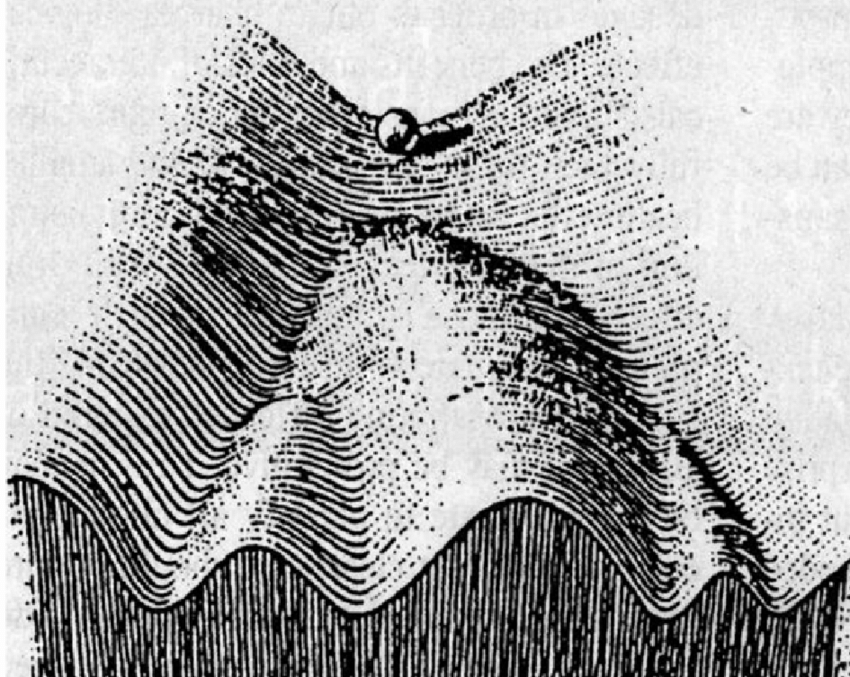
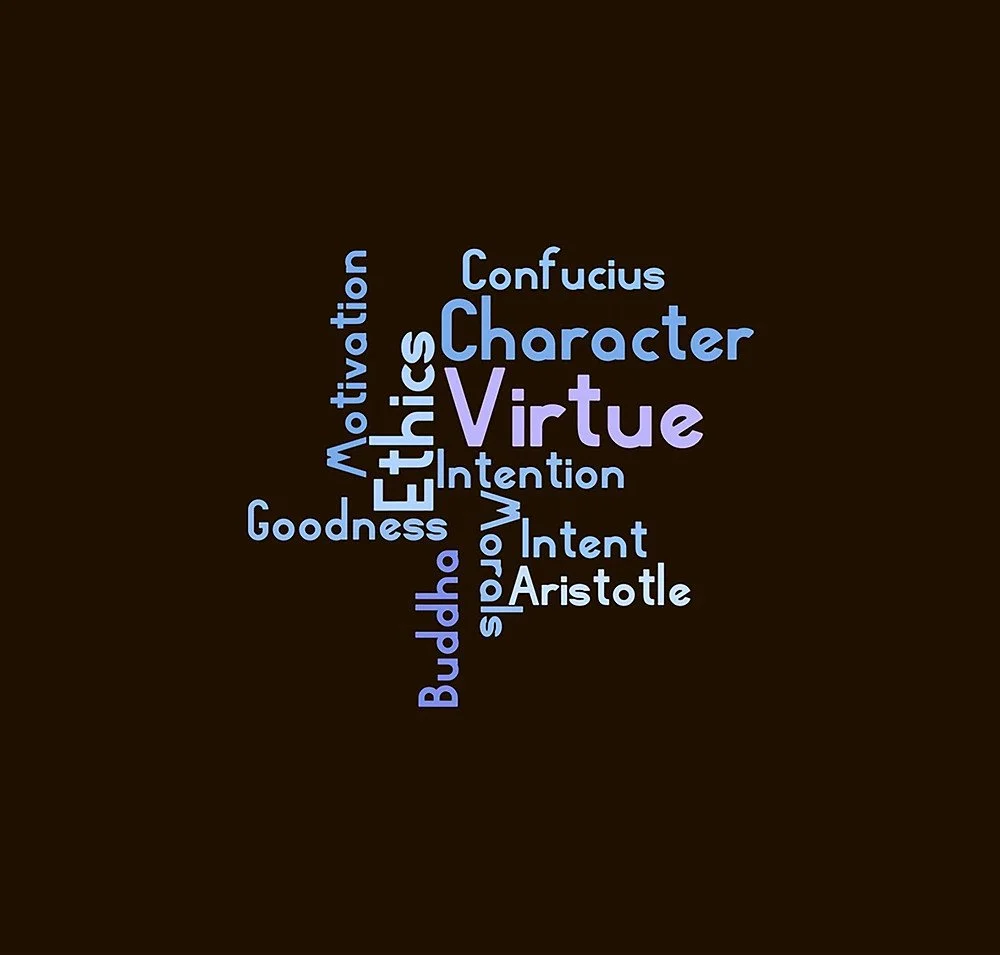
Like many emotion researchers, I am interested in the cultivation of emotional habits because they influence our health, our wellbeing, and our capacity to be good to each other. But how are emotional habits cultivated across the lifespan? In my view, we do not yet know. The body of relevant empirical data is growing, but it lies in wait of a theory. Providing such a theory — however tentative and piecemeal — was the focus of my PhD thesis. There, I tried to show that machine learning approaches (dynamical systems theory, Bayesian inference) and developmental systems theory could together explain how we develop emotional habits across the lifespan. In this framework, the moment-by-moment emotions that influence our actions and decision-making are a product of causal forces interacting across multiple timescales, informed by evolution, life history, and the rapidly-shifting exigencies of the social and material environment. The distal objective was to better understand how our characters are shaped by our life histories, in line with the broadly Aristotelian notion that the normative component of virtue ethics — which tells us how we should strive to develop our characters — depends crucially on descriptive features of our moral psychology.
My current research is informed by the idea that machine learning approaches are key to understanding emotional habits, and that emotional habits are key to understanding our capacity to be good to each other and to ourselves. This research seeks to bring the question of how emotional habits develop into dialogue with the rapidly-developing approaches to machine learning coming to define 21st-century notions of both artificial and biological intelligence. As we enter a world in which our social and material environments are increasingly structured by interactions between humans and new technologies and communicative platforms — from social media to robots — we are faced, I think, with two important questions. First, how are values and norms embedded or expressed in these new technologies, and what role does emotion-based decision-making play? Second, how might novel forms of human-to-machine (think robots) and human-to-human (think social media and virtual reality) interaction influence our values and our characters — for better or for worse? It is my hope that my current research will be responsive to these questions.
Research
-

Emotion recognition AI
-
Dynamical emotions
-
Virtue theory